
FOLAIDA Matrix vs Video Wall Processor: Technical Differences
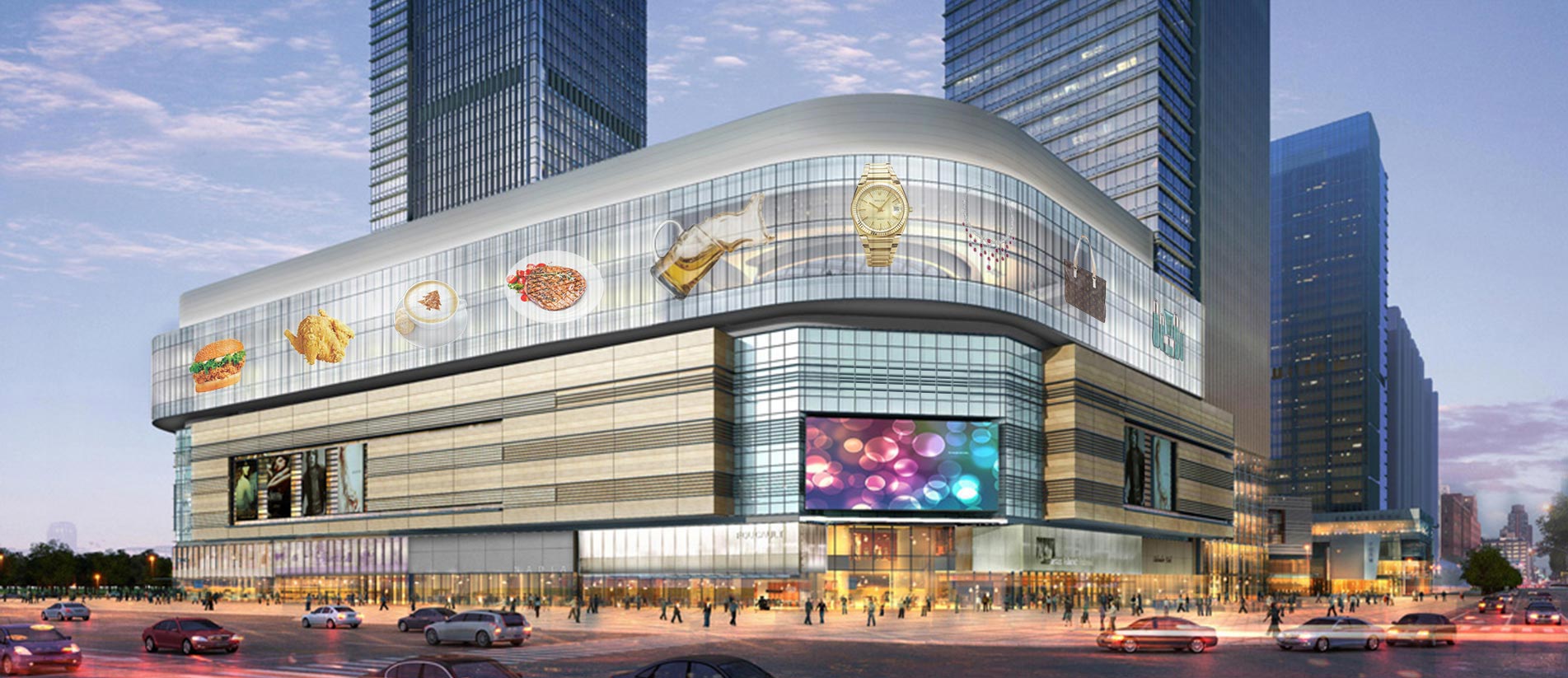





Standard video splitters only support fixed splitting and screen duplication. In contrast, the FOLAIDA professional-grade tiling processor delivers powerful display performance via windowing, overlay and cross-screen roaming, ideal for all kinds of large-screen visualization applications.
FOLAIDA video wall devices are widely used in security monitoring, emergency command rooms, enterprise conference halls and commercial display projects, satisfying diverse demands from global system integrators.https://folaida.com/product-item/video-wall-processor/
1. Windowing, Overlay & Roaming Overview
These are core advanced features for professional LCD and LED video walls, enabling flexible and stable multi-layer screen management.
1.1 Video Wall Windowing
Run multiple independent signal sources in separate windows simultaneously. It supports surveillance feeds, desktops, 4K videos and real-time data streams without signal conflicts or frame drops.
1.2 Image Overlay
Add logos, subtitles, timestamps and alerts on the main screen. Hardware processing keeps original video clear and lag-free with no resolution loss.
1.3 Cross-Screen Window Roaming
Drag, zoom and float windows across all splicing panels freely. FPGA hardware ensures smooth movement without tearing, stuttering or black screens.
2. Core Strengths of FOLAIDA Tiling Processor
Adopting pure FPGA architecture, it realizes parallel signal decoding and real-time rendering for reliable 24/7 operation, outperforming common GPU-based controllers.
2.1 Multi-Channel Real-Time Decoding
Compatible with HDMI, DP, SDI and network streaming signals. Independent hardware decoding avoids CPU overload and frame loss.
2.2 Flexible Window Layout
Adjust window size, position and ratio freely. It adapts to 2×2, 3×3, 4×4 and extra-large splicing screens, supporting full-screen, split-screen and irregular layouts.
2.3 One-Click Scene Preset
Save customized layouts as presets. Switch scenes instantly for monitoring, meetings and commercial use.
3. FPGA vs GPU Performance Comparison
表格
| Function | FPGA Processor | GPU Controller |
|---|---|---|
| Stability | 24/7 stable, no crash | Prone to freezing under multi-window load |
| Roaming Effect | Zero lag, zero tearing | Obvious stuttering & frame loss |
| Overlay Layer | Multi-layer support | Only single-layer available |
| Continuous Operation | Industrial-grade stability | Performance degrades due to heat |
4. FOLAIDA Hybrid Matrix VS Tiling Processor
4.1 Working Principles
The HD hybrid matrix focuses on high-speed signal routing and forwarding. It transmits mixed HDMI, DVI, VGA, SDI and IP streams without altering original video parameters, for multi-terminal signal sharing.
The tiling processor specializes in signal reconstruction and screen splicing. It calibrates pixels and synchronizes frames to combine separate panels into one seamless large display.
4.2 Input & Output Logic
The hybrid matrix uses modular ports for flexible cross-switching, with no limits on screen quantity and layout.
The tiling processor matches outputs strictly with splicing screen layouts, focusing on unified control of the entire video wall.
4.3 Image Processing Functions
The hybrid matrix mainly completes lossless signal transmission and simple format conversion, without advanced splicing and window processing.
The tiling processor supports segmentation, scaling, overlay, roaming, edge blending and geometric correction for diversified creative display.
4.4 Applicable Scenarios
HD Hybrid Matrix: Multi-function meeting rooms, training classrooms, studios and medium-sized monitoring rooms for frequent signal switching and multi-device sharing.
Tiling Processor: Command centers, traffic monitoring stations, big data rooms, exhibition halls and commercial LED walls for integrated large-screen display.
5. Device Selection Guide
Choose the HD hybrid matrix if you need frequent signal switching and multi-terminal resource sharing.
Pick the tiling processor for seamless splicing, multi-window roaming and integrated large-screen visualization.
Also take interface compatibility, operational stability, scalability and after-sales service into consideration for your AV system.
About FOLAIDA
Shenzhen FOLAIDA Video Technology Co., Ltd. develops and manufactures professional AV display and signal control equipment. We offer hybrid matrixes and tiling processors, delivering stable, customized one-stop audio-visual solutions for government, enterprise, security and commercial projects worldwide.

