FOLAIDA Video Splicing Processor: Definition, Core Functions & Technical Advantages
What Is a Video Splicing Processor?
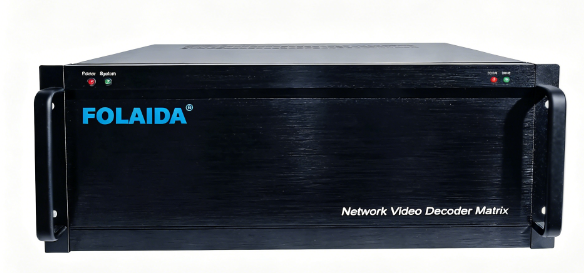
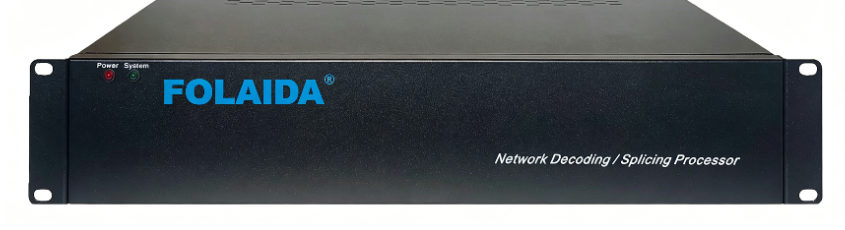
A video splicing processor is a professional high-performance video processing and control core device specially designed for large-screen display systems. It serves as the central control hub for multi-screen splicing display solutions. The core working principle of the device is to split a complete ultra-high-definition video image signal into multiple independent image blocks, then accurately distribute the divided image signals to each independent video display unit such as projection units and splicing screens. Through this professional processing method, multiple ordinary display units can be combined into a seamless, ultra-large dynamic splicing display wall, realizing ultra-wide and super-large screen image presentation that a single display device cannot achieve. In addition, the video splicing processor supports the simultaneous access and synchronous processing of multiple types of video equipment and signal sources, with strong signal compatibility and multi-channel expansion capabilities.
Core Functions of Video Splicing Processor
1. Automatic Image Parameter Calibration
The device is equipped with an intelligent automatic adjustment system for image parameters, which can precisely and smoothly optimize the brightness, contrast, and chroma of the displayed images in real time. It effectively eliminates image distortion, color deviation and blurry problems caused by long-term operation or different display unit parameters, ensuring stable and uniform display effects for the entire splicing screen wall at all times.
2. Multi-Mode Edge Processing Technology
To adapt to different display scenarios, screen specifications and splicing requirements, the processor integrates three professional edge processing technologies. It can freely switch and match processing modes according to on-site use conditions, effectively eliminating splicing gaps, edge flickering and image dislocation, and achieving flawless, ultra-smooth seamless splicing visual effects.
3. Digital Multi-Screen Color Balance Technology
Built with an exclusive digital multi-screen color balance module and professional digital three-primary color adjustment circuit, the video splicing processor can suppress the discrete color difference of red, green and blue primary colors between different projection and display units. It realizes the unified calibration of three-primary color parameters for all splicing units, completely solving the common problem of inconsistent color display of traditional splicing screen walls. The overall display screen presents highly consistent color performance without obvious color difference and layering.
4. Pure Hardware FPGA Architecture for Stable Operation
Adopting large-scale array FPGA pure hardware architecture, the processor operates independently without relying on any operating system or hard disk. The hardware-based working mode realizes truly maintenance-free operation, completely avoiding common failures of traditional software equipment such as system crash, hardware resource conflict, network virus intrusion and program stuttering. It supports 7×24 hours of continuous stable operation, which is highly suitable for commercial display, monitoring scheduling and other long-term working scenarios.
5. High-Definition Color Sampling & Display Performance
The device supports up to 4:4:4 full-color sampling, which can restore rich and delicate image colors without color loss and compression. It perfectly outputs 1080P full high-definition display quality, restores real and vivid picture details, and greatly improves the overall display resolution and visual layering of the large splicing screen.
6. Pure Digital Synchronization Technology for Dynamic Video
Equipped with single-clock pure digital synchronization technology, the processor realizes microsecond-level synchronous output of multi-screen images. When playing high-speed dynamic videos such as live events, monitoring videos and dynamic advertising screens, it ensures seamless and smooth connection of each screen image, eliminates frame skipping, stuttering and picture asynchrony, and presents high-quality dynamic visual effects.
Overview & Application Value
In short, the core value of the video splicing processor is to realize intelligent image segmentation, synchronous distribution and seamless splicing. It supports multi-channel video signal simultaneous access and split-screen display, enabling multiple video signals to be displayed synchronously and independently on one ultra-large splicing screen wall. As an indispensable core device of large-screen display systems, it is widely used in command centers, security monitoring, commercial advertising, exhibition display, stage performance and other scenarios, providing stable, high-definition and seamless professional display solutions for various large-screen splicing projects.